Information Is Late Game
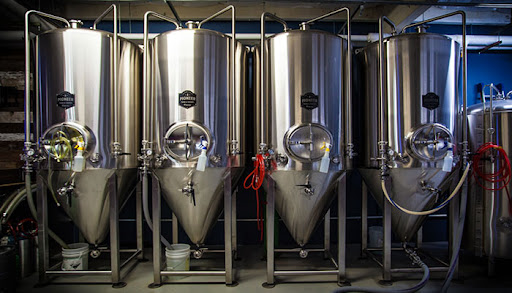
Many years ago I was at a meetup at a brewery and I noticed a bunch of IoT devices on the brewery equipment. I have no idea how the machines work or what they are measuring but I started thinking about this Information Is Late Game idea.
Someone at that brewery had to get the beer working. After they got the beer working, they sold the beer. As they are selling the beer, they are wondering "are we selling enough beer?" and "how is our beer doing?". First came the thing and then came the information describing the thing. Information is late game.
The IoT sensors can measure temperature and liquid flows. The payment system can record revenue. The schedule can be a calendar. The people working can be in a database. All the stuff that happens after the real thing is information. The information is what doing all this stuff means. The review score, the money. Even if it's not digital, it's information. We were doing this almost immediately after inventing farming.
Physicists and mathematicians might say that all this is entirely information but that's entirely too interesting for me to talk about.
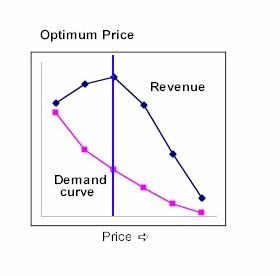
Here another one using the same brewery. What should the beer's price be? Not what the intial price should be. We're already selling beer. I mean, what should we change the price to? The adjustment and the measuring of price's impact on sales isn't even digital. It's just information. Information about the "real" business. You really need and want this stuff late-game the most. Optimization and measurement when there's too much on the line and organization when there's too much information. Automation when there's too much to do, automation with rules and inputs that are information.
Electronics follow this same pattern. You have sensors and code. Sensors measure the real world. Your code works on the information of the world. Once I hook up the motors, sensors and displays; it's mostly set physically. I'm working in information from there on out in development and especially when it's running.
I understand this is annoyingly generalized. I have also observed this pattern in automation or factory games but I trimmed out some the enthusiast trench paragraphs because, well, it's in the trench. I think the simulation follows reality, information is late game. Unfortunately I think this gets rolled up into dashboards and KPIs or possibly harmful abstractions but that's a tangent.